Scroll Down
BRUCE Pile Driving Equipment
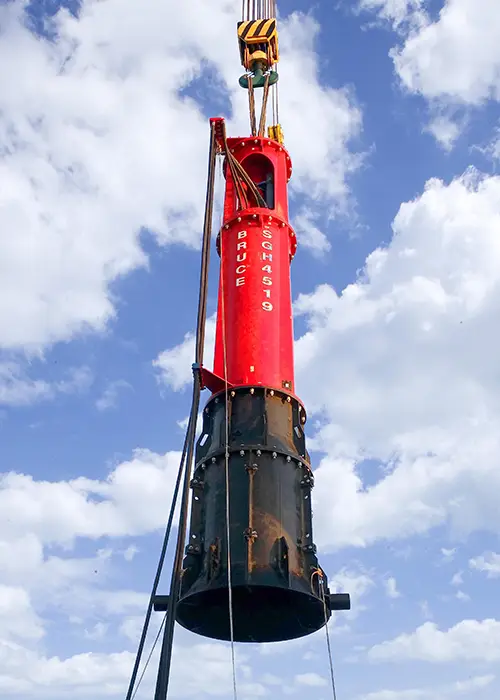
BRUCE Pile Driving Equipment stands at the forefront of the industry as leading manufacturer and supplier trusted by reputable construction and piling contractors worldwide. Our comprehensive lineup includes hydraulic pile hammer, piling hammer, pile hammer, vibro hammer and vibratory hammer, renowned for their unparalleled durability and reliability. With ongoing dedication, we strive to support our customers in achieving their business objectives by offering top-quality pile driving equipment that enhances productivity and reduces operational cost.
Continuously evolving, BRUCE Piling Equipment is committed to the continuous development and enhancement of our product line of piling equipment, including pile hammers, impact hammers, vibro hammers, vibratory hammers and related piling products to meet and exceed customer demands and expectations.
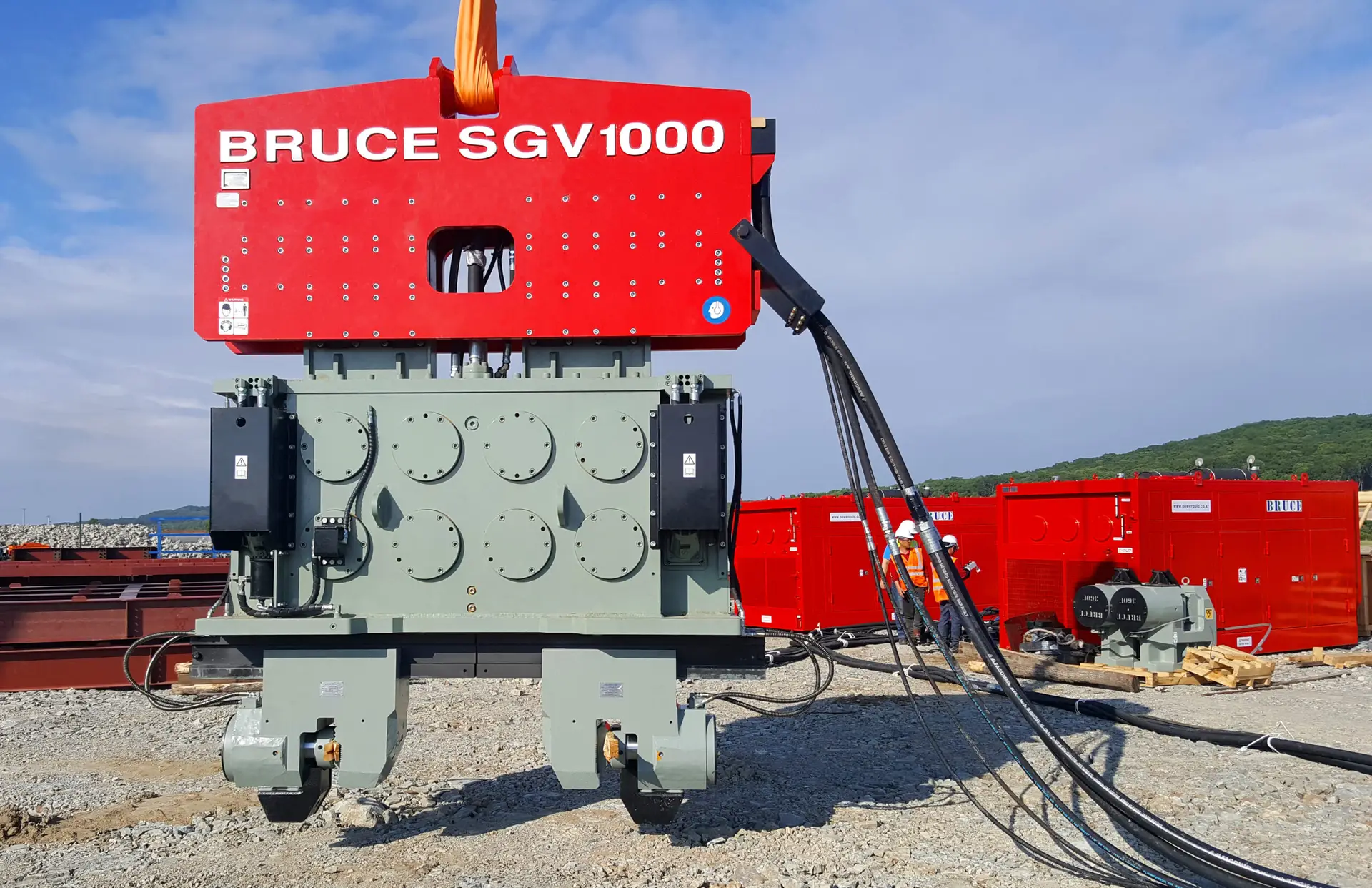
For customers who require something unique and cost effective, BRUCE offers a fully project-managed process of product development, producing pile hammer, piling hammer, hydraulic pile driving hammer, onshore pile driving hammer, offshore pile driving hammer, vibratory hammer, vibro hammer, rotary drilling head and its related pile driving accessories.
PRODUCTS
The major product range of BRUCE Piling Equipment is empowering excellence through Pile Driving Equipment of Hydraulic Impact Hammer, Pile Hammer, Piling Hammer, Offshore Pile Hammer, Vibro Hammer, Vibratory Hammer, and Rotary Head suitable for most pile driving projects.
01
BRUCE NEWS & EVENT
More Event
GLOBAL NETWORK & ASSOCIATION
Over the past 25 Years, BRUCE Piling Equipment has been working with worldwide reputable contractors closely to become a worldwide manufacturer, provider, distributing products to the USA, Hong Kong, South America, Europe, Asia , Middle east and beyond.