Hydraulic Impact Hammer for Excavators – Real Cost, Real TCO and How to Choose the Right One (2026 Guide)
JH KIM
view : 24
Buying a hydraulic impact hammer isn’t just about getting the lowest quote. The real cost shows up later—in downtime, inconsistent driving, noise constraints, and spare parts delays when your jobsite can’t afford stoppages.
This page explains what drives hydraulic impact hammer cost, how to compare options using Total Cost of Ownership (TCO), and how to request a quote that actually matches your excavator, pile type, and soil conditions—so you buy once and drive piles with confidence.
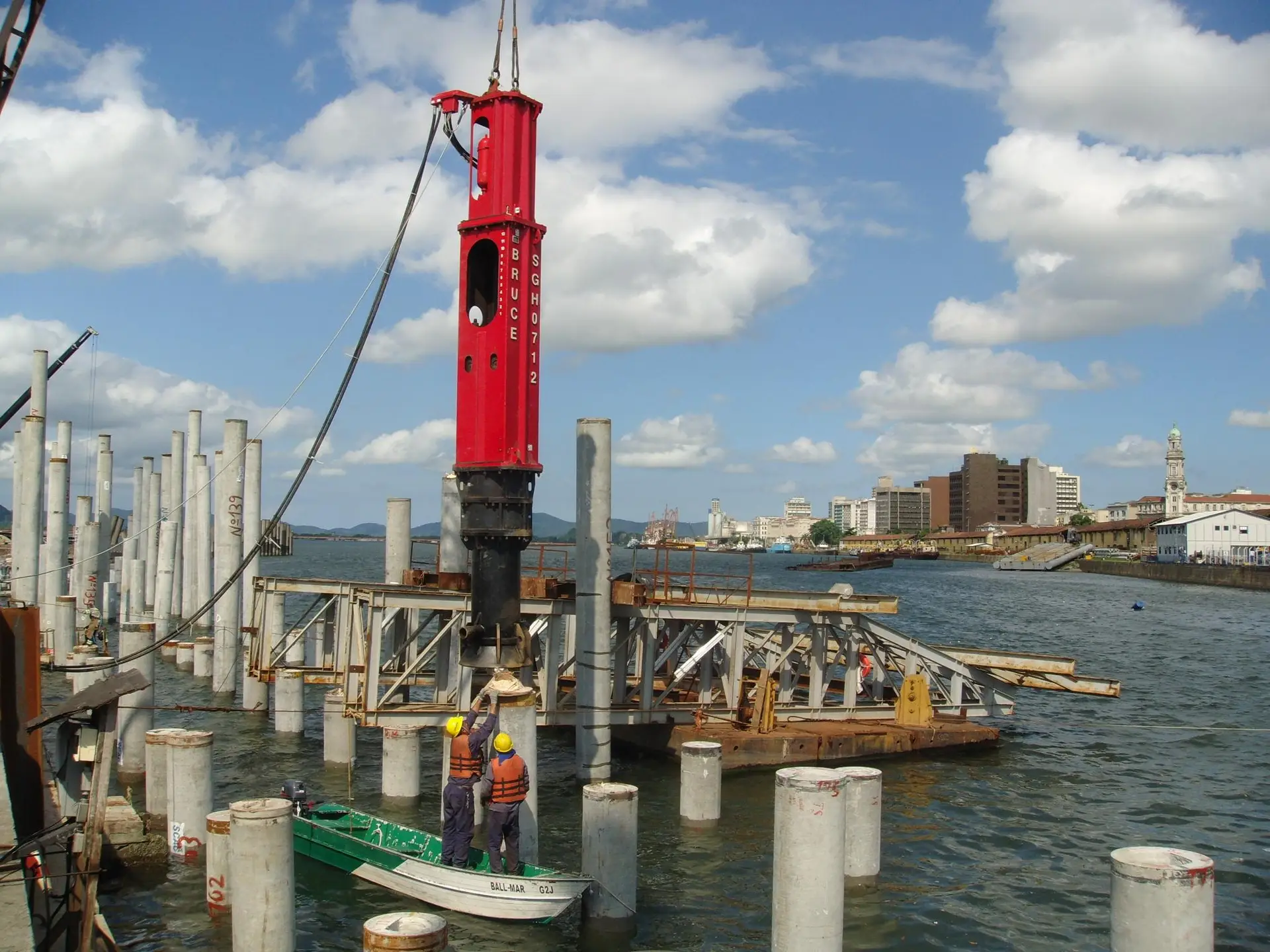
BRUCE (Powerquip) manufactures hydraulic impact pile hammers used across onshore and offshore piling projects worldwide.
Learn more here: https://www.powerquip.co.kr/
Why “Cheap” Impact Hammers Become Expensive
Many buyers focus on the sticker price. But on a real site, hidden costs typically come from:
-
Downtime risk: a stopped jobsite burns money every day (labor, crane, barge time, schedule penalties).
-
Unstable driving: poor stroke control reduces productivity and increases re-driving.
-
Noise restrictions: urban/regulatory sites can force stoppages or limited working hours.
-
Parts lead time: waiting weeks for parts can erase any upfront savings.
If your project has delay penalties, the “cheapest hammer” can quickly become the most expensive decision—because TCO (Total Cost of Ownership) determines profitability, not the invoice total.
What Determines Hydraulic Impact Hammer Cost (6 Factors That Matter)
1) Excavator Compatibility (Ton Class + Hydraulics)
Impact hammers must match your carrier’s available hydraulic flow/pressure and the excavator’s weight class. A mismatch can cause poor performance, overheating, or premature component wear.
Before you request pricing, prepare:
-
Excavator make/model (and ton class)
-
Available hydraulic flow (L/min) and pressure (bar)
-
Job type: driving / extracting / both
-
Typical pile size/type
-
Soil profile (soft clay, sand, dense sand, hard layer, etc.)
Reference pages:
-
Features: https://www.powerquip.co.kr/products/hydraulic-pile-hammer/features/
-
Specifications: https://www.powerquip.co.kr/products/hydraulic-pile-hammer/specification/
2) Energy Control (Not Just “Max Energy”)
On most projects, you don’t need maximum impact every blow. You need controlled energy and the ability to adapt as soil conditions change.
BRUCE emphasizes an electric remote control system for adjusting impact energy, supporting stable operation and accurate driving.
(See features page above.)
Buyer tip: When comparing quotes, ask:
-
Can the operator adjust impact energy easily during work?
-
How stable is the ram stroke when conditions change?
-
3) Blow Rate + Stroke Stability
A high blow rate can improve driving speed—but only if stroke behavior remains stable. If a low-cost hammer delivers inconsistent energy or unstable stroke, you may see:
-
More re-driving
-
Slower penetration rates
-
Higher pile head damage risk
-
Lower overall productivity
-
4) Monitoring & Documentation Options (When QA Matters)
Some projects require traceability and documentation. BRUCE describes an optional Impact Energy Monitoring System (IEA) for real-time recording (print/PC link).
Brochure PDF:
https://www.powerquip.co.kr/wp-content/uploads/2023/12/BRUCE-Hydraulic-Plie-Hammer2023.pdf
5) Noise Control (Urban / Regulatory Sites)
Noise is a schedule risk. BRUCE lists an optional Silence Cap Housing & kit designed to reduce noise emissions.
If your site has noise limits, compare:
-
Whether noise-reduction options exist
-
Whether the hammer can keep productivity under constraints
-
6) Operator Visibility & Control During Driving
Small usability details impact production. The BRUCE brochure notes a ram height indicator / visible ram height movement, helping operators confirm stroke height and adjust through the remote control box.
That matters because better control means fewer errors, fewer stoppages, and more consistent results.
TCO Comparison Table (Use This Instead of “Cheapest Quote Wins”)
| Cost Element | Low-Cost Copy / Budget Hammer | Quality-Focused Impact Hammer (e.g., BRUCE) |
|---|---|---|
| Upfront price | Lower | Mid-range / competitive |
| Downtime risk | Higher | Lower (better stability + options + support) |
| Energy control | Limited | Remote energy adjustment emphasized |
| Monitoring & QA | Rare | Energy monitoring option available |
| Noise | Often none | Silence cap option available |
| Resale value | Low | Typically higher (brand + documentation) |
Bottom line: If downtime costs even a few thousand dollars per day, TCO outweighs a “cheap” quote in a single project.
Wear-Resistant Steel (Why Uptime Beats Sticker Price)
A common weakness of low-cost attachments is wear resistance and fatigue performance under repeated impact and vibration. Many professional buyers evaluate whether critical wear components use proven abrasion-resistant steels.
External reference (authoritative):
https://www.ssab.com/en/brands-and-products/hardox
Which Piles Can a Hydraulic Impact Hammer Drive?
BRUCE describes common applications such as:
-
Concrete piles
-
Steel casing piles
-
H-beams
-
Sheet piles
Always confirm drive cap/helmet compatibility and site constraints before ordering.
Related reading (Powerquip blog):
https://www.powerquip.co.kr/blog/hydraulic-impact-pile-hammer/
Request a Quote Checklist
Most “price shopping” emails are too vague, so suppliers reply with a generic range. For a sharp quote and correct recommendation, send this:
Inquiry Template
-
Excavator model / ton class
-
Hydraulic flow (L/min) & pressure (bar)
-
Pile type and size (OD/width, thickness, length)
-
Soil condition (soft clay / sand / dense sand / hard layer)
-
Target depth and expected daily production
-
Jobsite country/city (shipping + support)
-
Options needed (silence cap / energy monitoring / other):
-
Request a quote here:
https://www.powerquip.co.kr/contact-us/
FAQ
What is the typical hydraulic impact hammer price?
Pricing depends on excavator class, required impact energy, options (noise/monitoring), and delivery scope. The fastest way is to quote with your excavator hydraulics and pile details.
Can I adjust impact energy during work?
BRUCE highlights an electric remote control system for adjusting impact energy to help operators adapt to changing conditions.
(See features page: https://www.powerquip.co.kr/products/hydraulic-pile-hammer/features/ )
Do you offer impact energy monitoring for documentation?
Yes—BRUCE describes an optional IEA system for real-time recording (print/PC link).
Brochure: https://www.powerquip.co.kr/wp-content/uploads/2023/12/BRUCE-Hydraulic-Plie-Hammer2023.pdf
Do you have a noise reduction option?
BRUCE lists an optional silence cap kit intended to reduce noise emissions.
(See features page: https://www.powerquip.co.kr/products/hydraulic-pile-hammer/features/)
Ready to Choose the Right Hydraulic Impact Hammer?
Stop comparing impact hammers by sticker price. Compare by uptime, controllability, and TCO—the factors that protect your schedule and margin.
✅ Contact BRUCE (Powerquip) for a fast, spec-matched quotation:
https://www.powerquip.co.kr/contact-us/
-
Get a Quote → https://www.powerquip.co.kr/contact-us/
-
Download Brochure → https://www.powerquip.co.kr/wp-content/uploads/2023/12/BRUCE-Hydraulic-Plie-Hammer2023.pdf