Shallow Foundation vs Deep Foundation
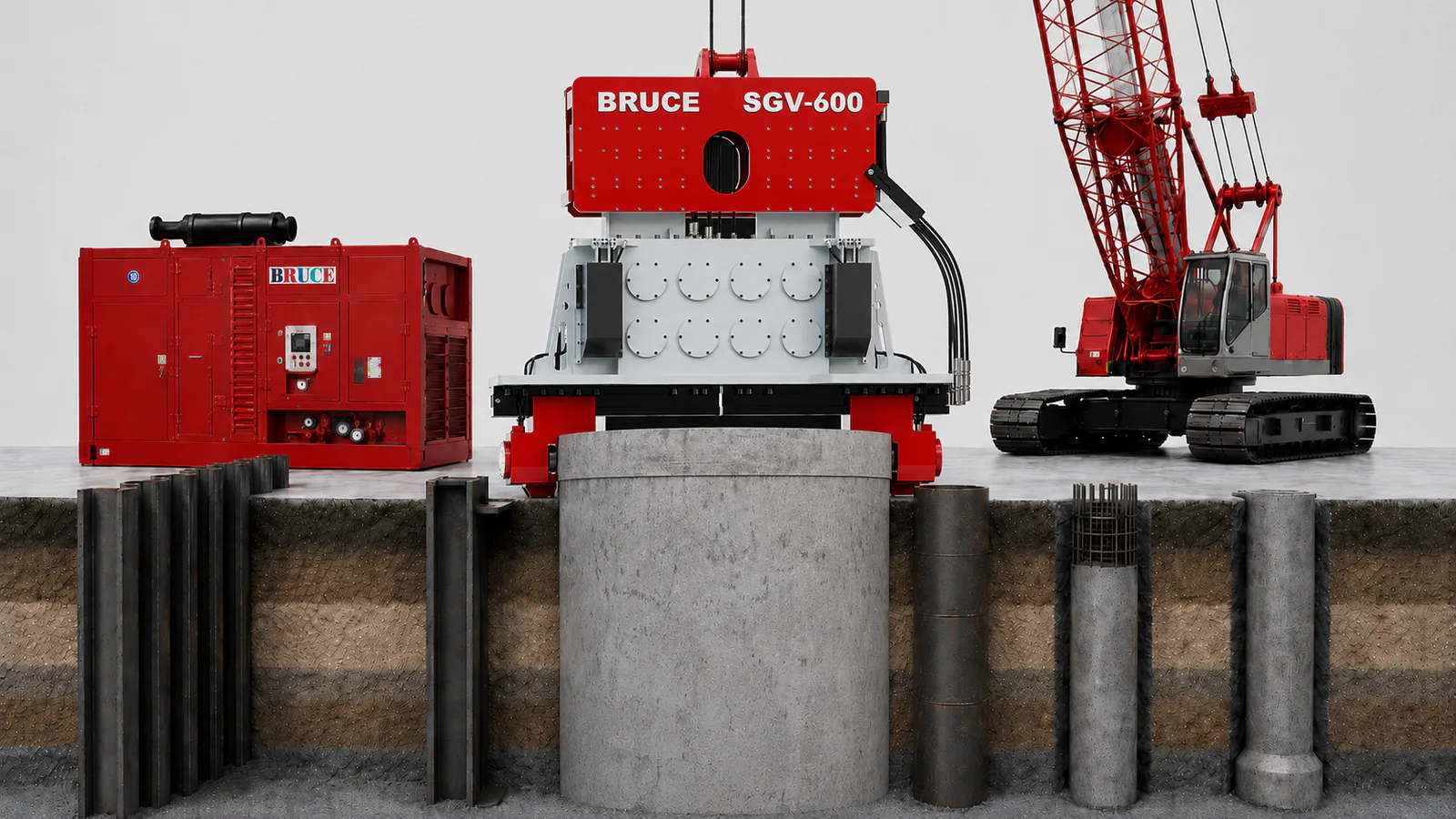
Foundation Work Basics
Shallow Foundation vs Deep Foundation
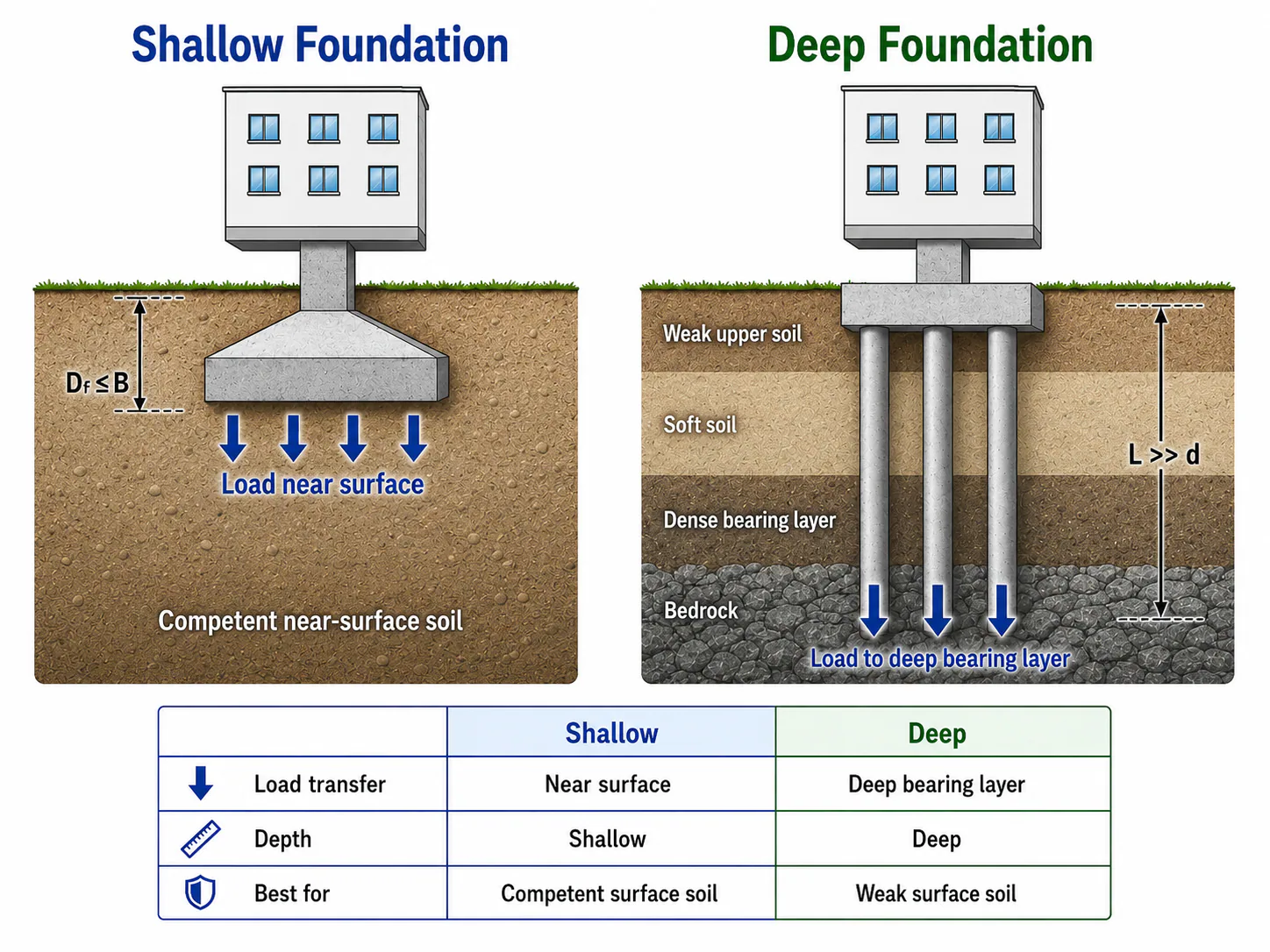
Shallow foundations transfer load to suitable ground near the surface. Deep foundations use embedded piles or shafts to mobilize shaft resistance, base resistance, or both when near-surface support cannot meet the project’s strength, settlement, uplift, lateral-load, or scour requirements.
Technical guide
Direct answer
Shallow Foundation vs Deep Foundation: engineering brief
- A shallow foundation spreads structural load into competent soil or rock near the surface through footings, strips, combined footings, or mat foundations.
- A deep foundation transfers load through shaft resistance, base resistance, or both along embedded elements such as driven piles, drilled shafts, bored piles, micropiles, or similar systems.
- The practical difference is not depth alone; bearing capacity, settlement, groundwater, scour, lateral load, uplift, constructability, and project risk control the foundation choice.
Article information
Technical review policy. BRUCE prepares this reference from the cited material. Project-specific design and approval remain with the responsible project team.
Planning overview
The distinction is about load transfer, not one depth number. A shallow solution is viable only when near-surface ground can satisfy bearing, settlement, stability, and constructability requirements. A deep solution is reviewed when those requirements cannot be met reliably near the surface.
- A shallow foundation transfers structural loads to near-surface soil or rock through footings, strips, combined footings, or mat foundations.
- A deep foundation transfers load through shaft resistance, base resistance, or both along piles, drilled shafts, bored piles, micropiles, or similar embedded elements.
- The difference is not depth alone; bearing capacity, settlement, groundwater, scour, lateral load, uplift, and constructability decide the foundation approach.
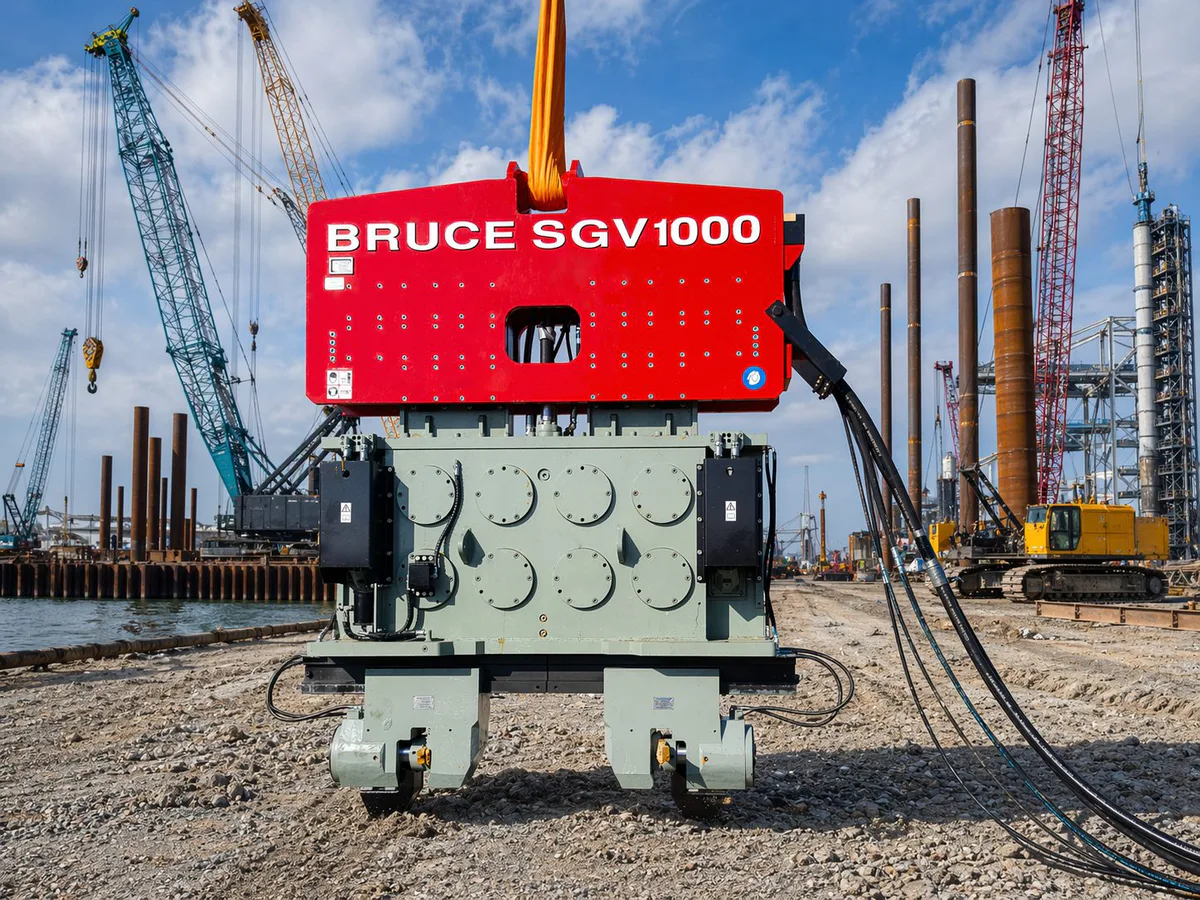
- BRUCE SGV Series vibro hammers are relevant to suitable vibratory driving, casing, retaining, and extraction work. BRUCE SGH Series hydraulic impact pile hammers are relevant to impact-driven deep foundation work and final seating, not ordinary shallow footings.
Decision brief
Compare the load path before choosing the construction method
Depth follows the engineering decision rather than a universal classification rule. Confirm whether competent near-surface ground can satisfy the project’s strength, settlement, stability, and construction requirements.
Shallow foundation
Footings, strips, combined footings, and mats distribute structural actions into competent ground close to the surface.
Deep foundation
Driven piles, bored piles, drilled shafts, micropiles, and related systems carry load through end bearing, shaft resistance, or both.
Engineering decision matrix
Use the evidence column to identify the information that must be available before comparing cost, schedule, or equipment.
| Decision factor | Shallow foundation reading | Deep foundation reading | Records to check |
|---|---|---|---|
| Ground support | Competent near-surface soil or rock can carry the design action. | Weak or variable upper ground must be bypassed or mobilized along embedded elements. | Boring log, SPT/CPT data, groundwater, bearing layer |
| Settlement | Total and differential settlement remain within serviceability limits. | Deeper support or shaft resistance is used to control settlement response. | Settlement criteria, consolidation data, adjacent sensitivity |
| Load action | Plan area and footing geometry can resist axial, lateral, uplift, sliding, and overturning demands. | Pile or shaft groups provide axial, lateral, uplift, and moment resistance where surface spread is insufficient. | Load schedule, group effects, lateral and uplift criteria |
| Construction | Excavation, dewatering, base preparation, access, and temporary support are manageable. | Installation method, spoil or displacement, crane access, vibration, noise, and acceptance records are manageable. | Method statement, site logistics, monitoring limits |
| Verification | Bearing surface, dimensions, reinforcement, concrete, and settlement assumptions can be inspected. | Installation records, pile tests, shaft logs, integrity checks, or driving records verify the selected system. | Inspection and testing plan, acceptance criteria |
Ordinary shallow workNot primary
Spread footings, strip footings, combined footings, and mats normally use excavation, formwork, reinforcement, and concrete equipment rather than a pile hammer.
Pile-related deep or temporary workProject-specific review
SGV review can cover suitable vibratory driving and extraction; SGH review can cover impact driving and final seating. Casing, sheet piles, H-beams, pipe piles, marine work, and combined methods still require project-specific interface and acceptance review.
Technical check matrix
Separate confirmed project inputs from open assumptions.
| Check point | Why it matters | Prepare |
|---|---|---|
| Load transfer | Shallow foundations spread load into near-surface ground; deep foundations transfer load by end bearing, shaft resistance, or both. | Load schedule, foundation drawings, bearing layer, pile or shaft dimensions |
| Settlement control | A shallow foundation may be strong enough in bearing but still unsuitable if total or differential settlement is excessive. | Settlement limits, consolidation data, serviceability criteria, nearby structure sensitivity |
| Ground condition | Soft, loose, compressible, scour-prone, expansive, collapsible, or highly variable ground often pushes the review toward deep foundations. | Boring log, SPT/CPT data, groundwater, scour depth, obstruction notes |
| Equipment relevance | Review SGV for suitable vibratory driving or extraction and SGH for impact driving or final seating after the foundation method is selected. | Pile profile, target depth, crane chart, acceptance requirement, vibration/noise limits |
Short definition
A shallow foundation spreads load into suitable soil or rock close to the ground surface. A deep foundation transfers load through embedded elements such as driven piles, drilled shafts, bored piles, or micropiles by shaft resistance, base resistance, or both; it may pass through weak layers but does not always bear on rock or one discrete competent layer.
In practice, engineers choose between them by checking bearing capacity, settlement, load type, groundwater, scour, excavation feasibility, and project risk.
How shallow foundations work
Shallow foundations usually include isolated or spread footings, strip or continuous footings, combined footings, and mat or raft foundations. They are used when near-surface ground can safely support the structure with acceptable settlement. The main design checks are bearing resistance, total and differential settlement, sliding, overturning, groundwater effects, excavation stability, frost or erosion risk where applicable, and construction quality.
How deep foundations work
Deep foundations include driven piles, drilled shafts or bored piles, micropiles, auger-cast piles, and other embedded systems. They transfer load by base resistance, shaft resistance, or a combination of both. Some systems reach a distinct bearing layer, while others mobilize resistance over their embedded length.
They are used when surface soils are too weak, compressible, variable, prone to scour, or unable to meet settlement and lateral resistance requirements.
When shallow foundations are usually enough
A shallow foundation is often suitable when competent soil or rock is available near the surface, structural loads are moderate, settlement limits can be met, excavation is stable, groundwater is manageable, and there is enough plan area to spread the load. Many low- to mid-rise buildings and industrial slabs use shallow foundations when the geotechnical report confirms adequate near-surface conditions.
When deep foundations are usually reviewed
A deep foundation is reviewed when near-surface soils cannot provide adequate bearing capacity or settlement control, when loads are high, when uplift or lateral loads are important, when scour can remove surface support, or when soft, loose, collapsible, expansive, liquefiable, or highly variable soils create unacceptable risk. Marine structures, bridges, high-rise towers, port facilities, retaining systems, and heavy industrial structures often require this review.
Where BRUCE piling equipment fits
Ordinary shallow footing work normally does not require pile driving equipment. BRUCE equipment becomes relevant when the foundation work includes driven piles, sheet piles, casing installation or extraction, pipe piles, H-beams, temporary retaining works, cofferdams, marine pile work, or combined vibro and impact methods.
SGV Series vibro hammers are reviewed for vibratory driving and extraction where soil response is suitable; SGH Series hydraulic impact pile hammers are reviewed when blow energy, final set, pile stress, or driving records are required.
Why the distinction matters for buyers
A buyer should not ask for a hammer only by saying the project has foundation work. The supplier needs to know whether the work is a shallow footing, a driven pile, a bored pile, casing work, sheet pile retaining, extraction, or a combined method. The correct equipment package follows the foundation method, pile profile, soil report, crane capacity, target depth, and acceptance requirements.
Limitations and approval responsibility
Ordinary shallow footings and mat foundations normally do not use BRUCE pile driving equipment. SGV becomes relevant to suitable vibratory driving or extraction, while SGH becomes relevant to impact driving or final seating. Casing, retaining, temporary, and marine work still need method-specific review.
The responsible project team must complete and approve the geotechnical and structural design, lift plan, monitoring, permits, testing, and acceptance required for the site.
Frequently asked questions
Answers to recurring project and equipment questions.
What separates a shallow foundation from a deep foundation?
A shallow foundation spreads load into suitable soil or rock close to the ground surface. A deep foundation transfers load through embedded elements such as driven piles, drilled shafts, bored piles, or micropiles by shaft resistance, base resistance, or both; it may pass through weak layers but does not always bear on rock or one discrete competent layer.
How does a shallow foundation transfer load?
Shallow foundations usually include isolated or spread footings, strip or continuous footings, combined footings, and mat or raft foundations. They are used when near-surface ground can safely support the structure with acceptable settlement.
How does a deep foundation transfer load?
Deep foundations include driven piles, drilled shafts or bored piles, micropiles, auger-cast piles, and other embedded systems. They transfer load by base resistance, shaft resistance, or a combination of both. Some systems reach a distinct bearing layer, while others mobilize resistance over their embedded length.
When are deep foundations usually reviewed?
A deep foundation is reviewed when near-surface soils cannot provide adequate bearing capacity or settlement control, when loads are high, when uplift or lateral loads are important, when scour can remove surface support, or when soft, loose, collapsible, expansive, liquefiable, or highly variable soils create unacceptable risk. Marine structures, bridges, high-rise towers, port facilities, retaining systems, and heavy industrial structures often require this review.
Technical basis
Sources supporting the technical claims above.
Send Project Data to BRUCE
Send these items: foundation loads and settlement limits; competent layer depth and ground profile; excavation and equipment access; groundwater and nearby receptors; construction and acceptance method. BRUCE can match the relevant equipment package to that record.