01
Foundation Work Basics
Review these foundation-work basics before choosing a pile type, installation method, or equipment package, then consult the historical and technical guides for deeper context.
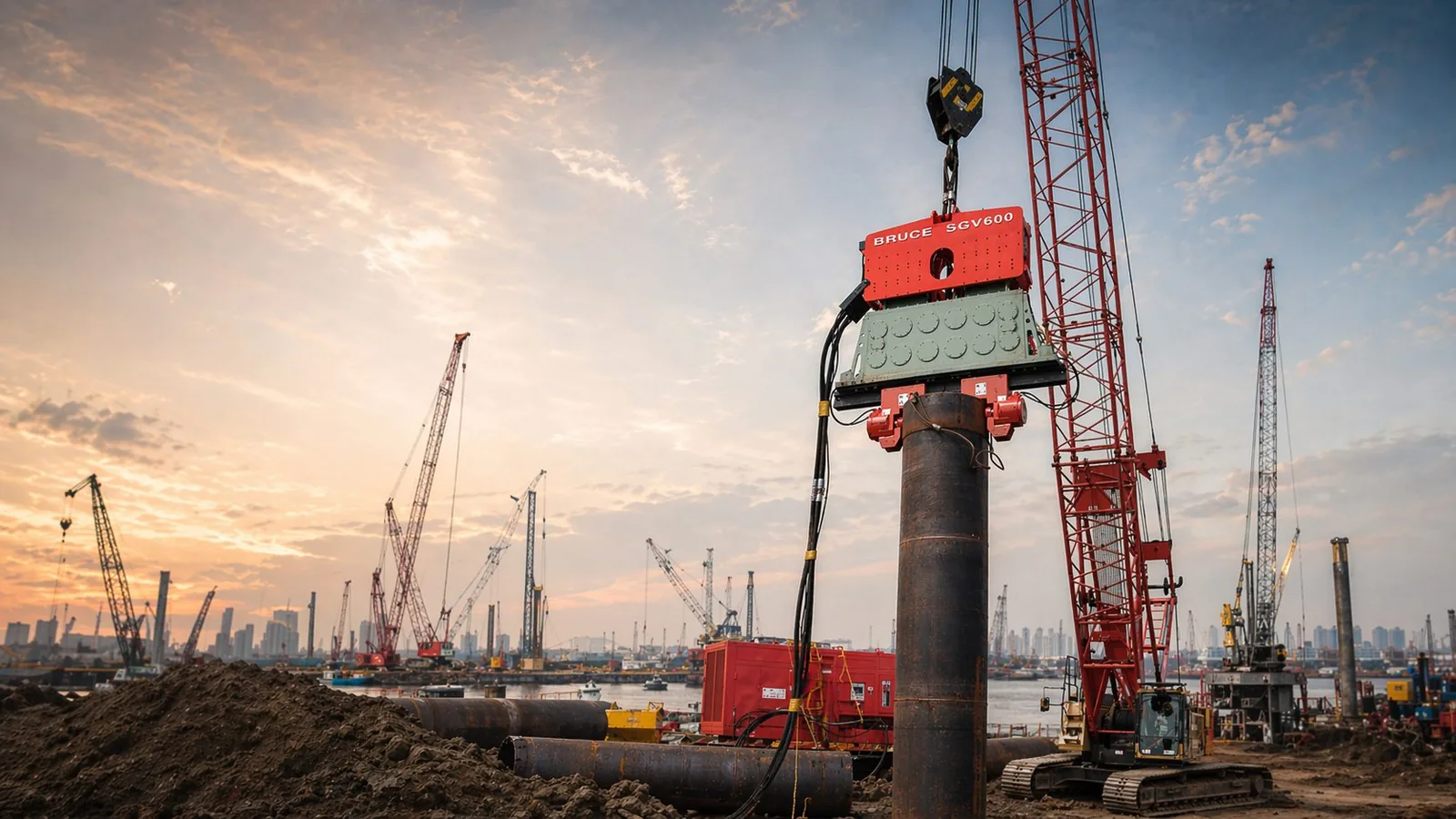
BRUCE Piling EquipmentManufacturer Technical Reference
Engineering guidance beginning with foundation work, load-transfer systems, pile-driving context, BRUCE SGV and SGH equipment boundaries, and project review inputs.
Review these foundation-work basics before choosing a pile type, installation method, or equipment package, then consult the historical and technical guides for deeper context.
Review vibratory and impact driving, pile suitability, equipment limits, and pile acceptance.
Review how vibro hammers generate force and transfer it through the clamp, then check frequency, hydraulics, and equipment limits.
Review the hydraulic supply, hose route, cooling duty and controls for the proposed equipment package.
Review pile sections, installation methods and interfaces before selecting a hammer or equipment package.
Review soil layers, groundwater and investigation limits before choosing a pile-driving method or equipment package.
Built for contractors, dealers, engineers, and equipment buyers who need method selection, package planning, maintenance, troubleshooting, and quote-ready project data in one durable reference.
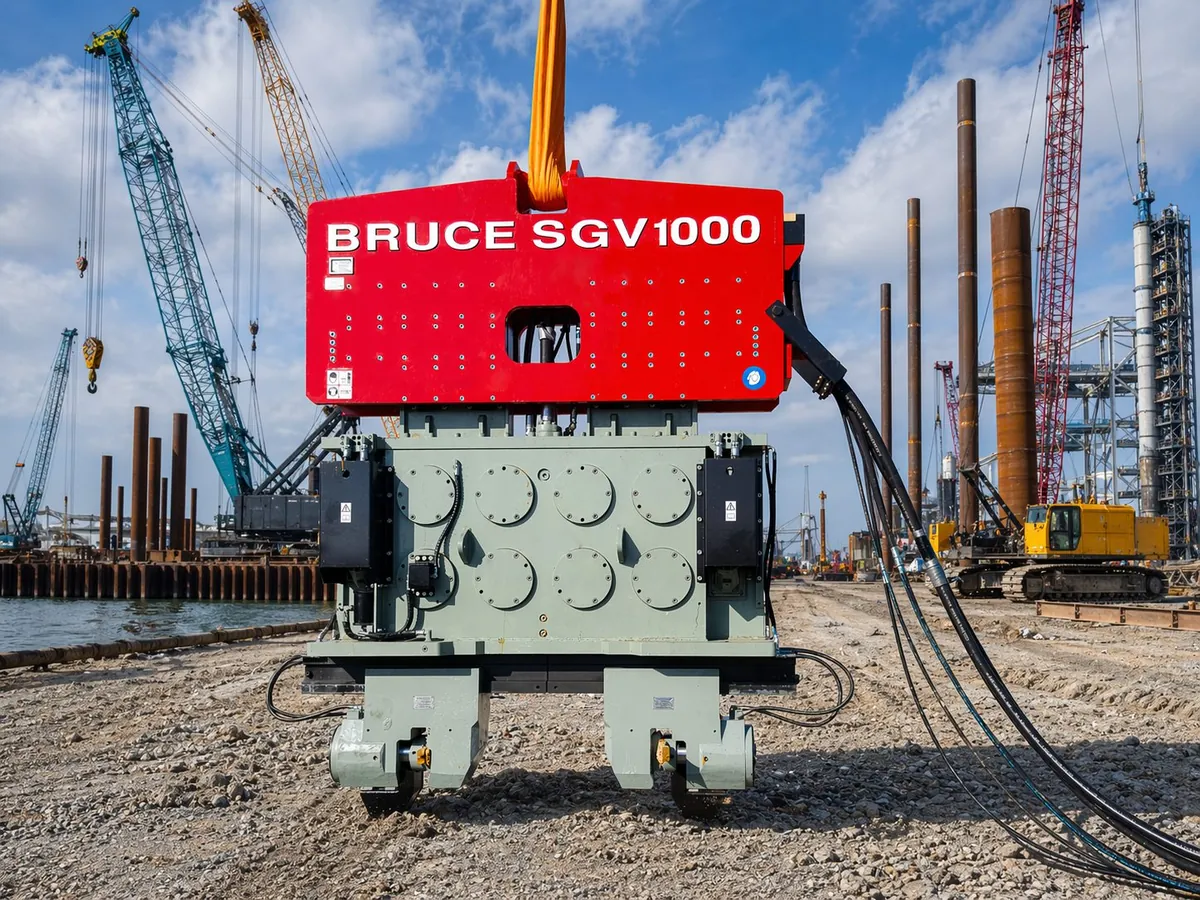
Start with pile type, soil condition, required driving method, and acceptance requirement. Then review whether the work points toward an SGV vibro hammer, an SGH hydraulic impact pile hammer, a combined sequence, or another installation method.
A project-specific BRUCE review needs field data together with the target hammer model.
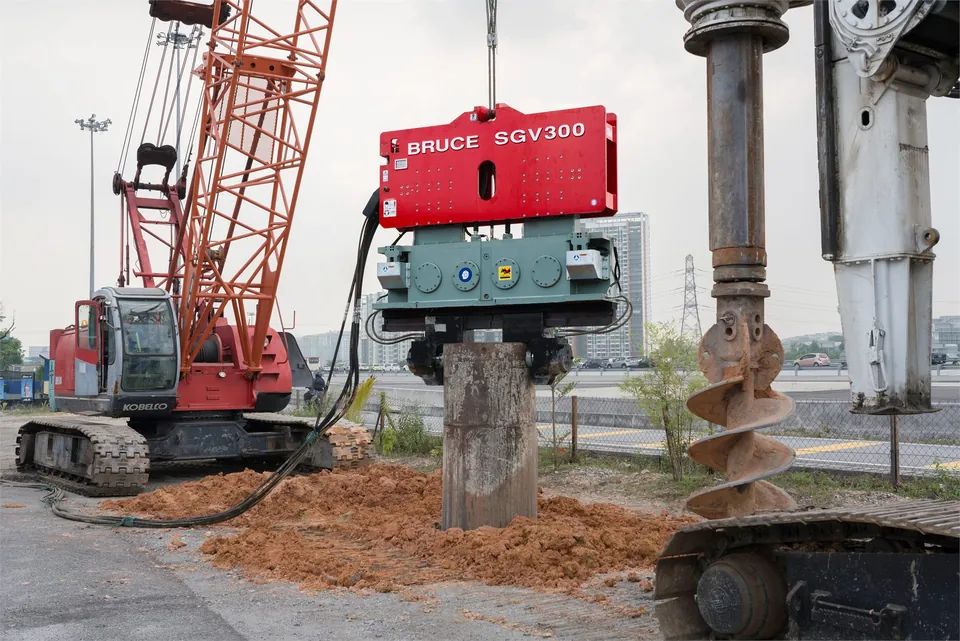
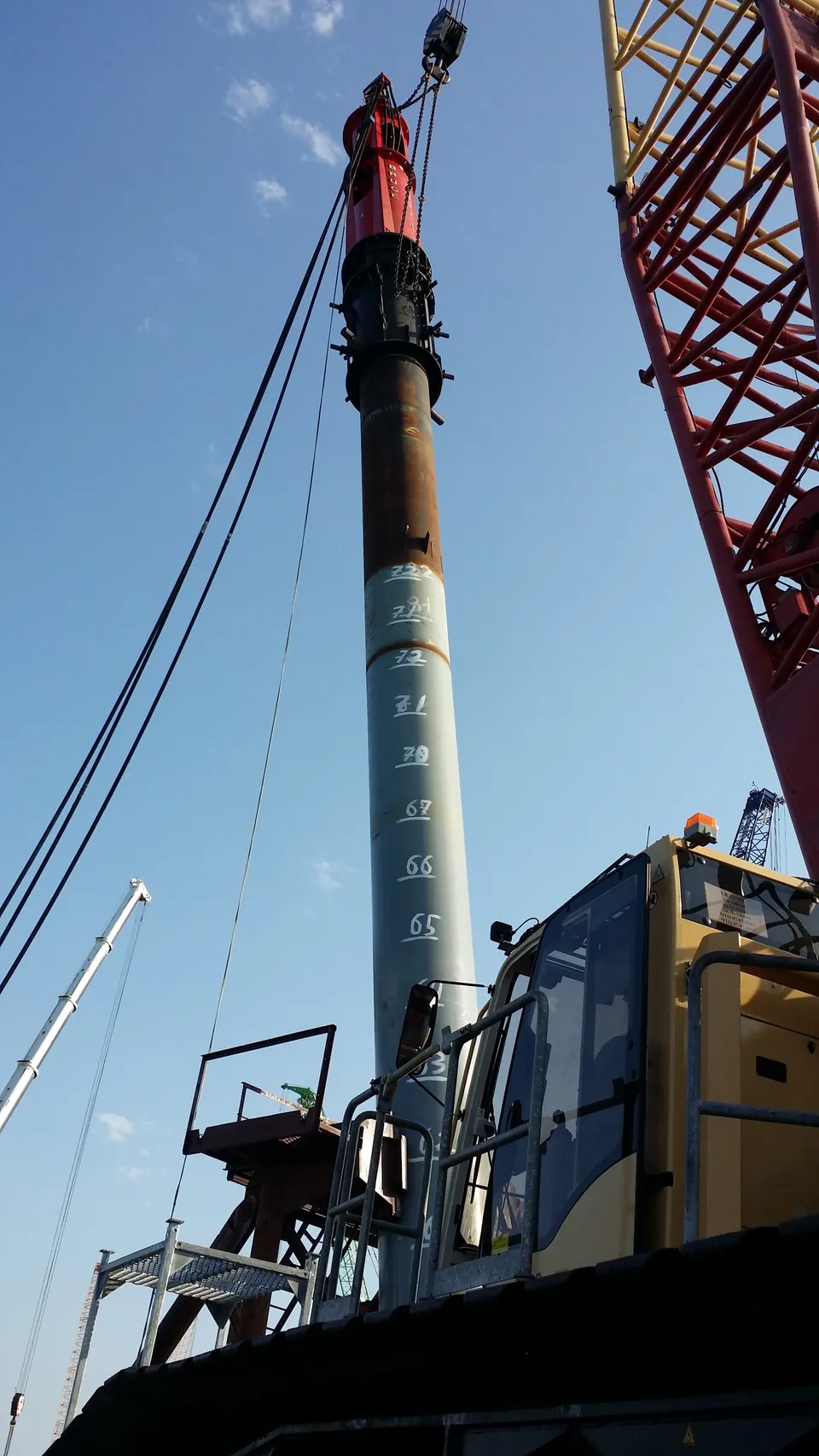
For vibratory pile driving and extraction planning, including sheet piles, casing piles, H-beams, and pipe piles where ground response is suitable.
For impact driving where blow energy, pile stress, interface fit, cushion condition, final set, and driving records are important.
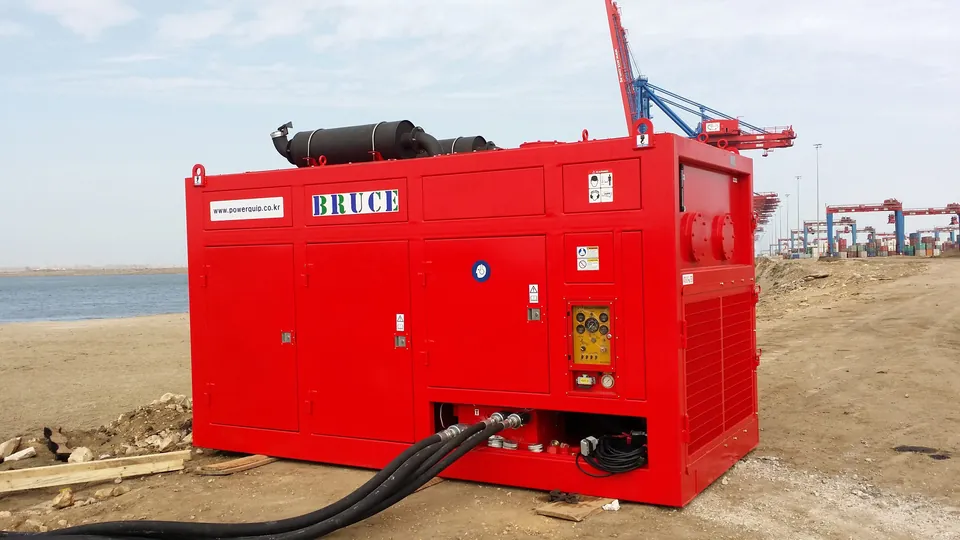
Flow, pressure, cooling, controls, hose length, couplers, duty cycle, and service support should match the hammer package.
Pile profile, diameter, wall thickness, head protection, cushion stack, and lifting interface define the accessory review path.
Understand shallow and deep foundations, retaining and temporary works, and where pile driving equipment fits into a foundation construction plan.
Compare how shallow and deep foundations transfer load, when engineers use each type, and where pile-driving equipment fits.
Explore pile foundation history, from Alpine timber dwellings and Roman bridges to screw piles, steam drivers, hydraulic hammers, and modern installation checks.
Compare driven and bored pile construction, site constraints, quality checks, and BRUCE equipment scope.
Compare design roles, inspections, and completion plans for temporary works and permanent foundations.
Review vibratory driving and extraction, suitable steel piles, equipment limits, and project-specified pile acceptance.
Review impact pile driving, hammer energy, caps and cushions, driving records, pile stress, and project-specified analysis and load testing.
Review static press-in piling, reaction and startup requirements, ground conditions, installation records, extraction limits, and approved equipment alternatives.
Review predrilling before pile installation: hole diameter and depth, ground disturbance, bore support, installation records, and project acceptance.
Compare vibratory extraction, static jacking, direct pull, cutting and backfill controls for sheet piles, H-beams, pipe piles and casing.
Review seabed data, vessel and crane limits, impact or vibratory methods, underwater sound, weather, and acceptance records.
See how a hydraulic vibro hammer generates cyclic force and transfers it through the clamp. Review frequency, eccentric moment, hydraulics and ground response.
Learn how hydraulic pile hammers cycle the ram and transfer impact to a pile. Review energy ratings, cushions, driving stress, records and acceptance.
Compare vibratory and hydraulic impact pile driving by force pattern, pile interface, ground response, site limits and acceptance evidence.
Select a vibro hammer by reviewing pile and ground data, rating definitions, clamp fit, hydraulics, lifting duty, site limits and project acceptance.
Select a hydraulic impact hammer by reviewing pile and ground data, driveability, driving stress, cap and cushion fit, hydraulics, lifting and acceptance.
Select a piling power pack by checking hammer requirements, flow at pressure, hoses and returns, cooling duty, fluid, controls and site conditions.
Review pile-to-hammer interfaces: clamp contact and ratings, impact cap and cushion fit, pile-head condition, hydraulics, lifting and inspection.
Match sheet piles, H-piles, steel pipe piles, casing and precast concrete piles to the method, interface, ground conditions and project acceptance requirements.
Review sheet pile profiles, interlocks, ground and water conditions before installation. Check alignment, driving limits, extraction and wall acceptance.
Review H-pile sections, ground conditions, driving stresses and splice details. Check hammer interfaces, installation records, durability and extraction planning.
Compare open-ended and closed-ended steel pipe piles. Learn how soil plugging affects driving and what to check in hammer selection, field records and testing.
Compare temporary and permanent steel casing for drilled shafts. Review bore stability, casing installation, concrete placement and withdrawal records.
Compare driven precast, driven cast-in-place, bored and CFA piles. Check pile-head protection, concrete placement and the records each method requires.
How steel pipe piles support marine structures, how piles connect to offshore jackets, and how suction caissons differ from driven piles.
Review sand, clay, silt, gravel, organic soils and obstructions using ground investigation data, pile details, driving limits and project acceptance requirements.
Compare granular and cohesive soil behavior, drainage, pore pressure and time effects when reviewing pile-driving methods, investigation data and acceptance.
Read SPT blow counts, N60 corrections and CPT or CPTu profiles before pile driving. Check test quality, refusal records and project acceptance criteria.
Read water levels and pore pressure with the ground profile. Review driveability, dewatering, ground movement and field acceptance before pile driving.
Review cobbles, boulders, buried obstructions and rockhead before pile driving. Check investigation limits, refusal response and approved method changes.
Review the ground profile, pile and acceptance requirements before comparing vibratory and impact hammers. Check driveability, site limits and installation records.
Send the project information you have. A pile drawing or site photo is enough to start. The BRUCE Technical Team can review the hammer and support package with you.