BRUCE Technical Team
Impact Pile Driving
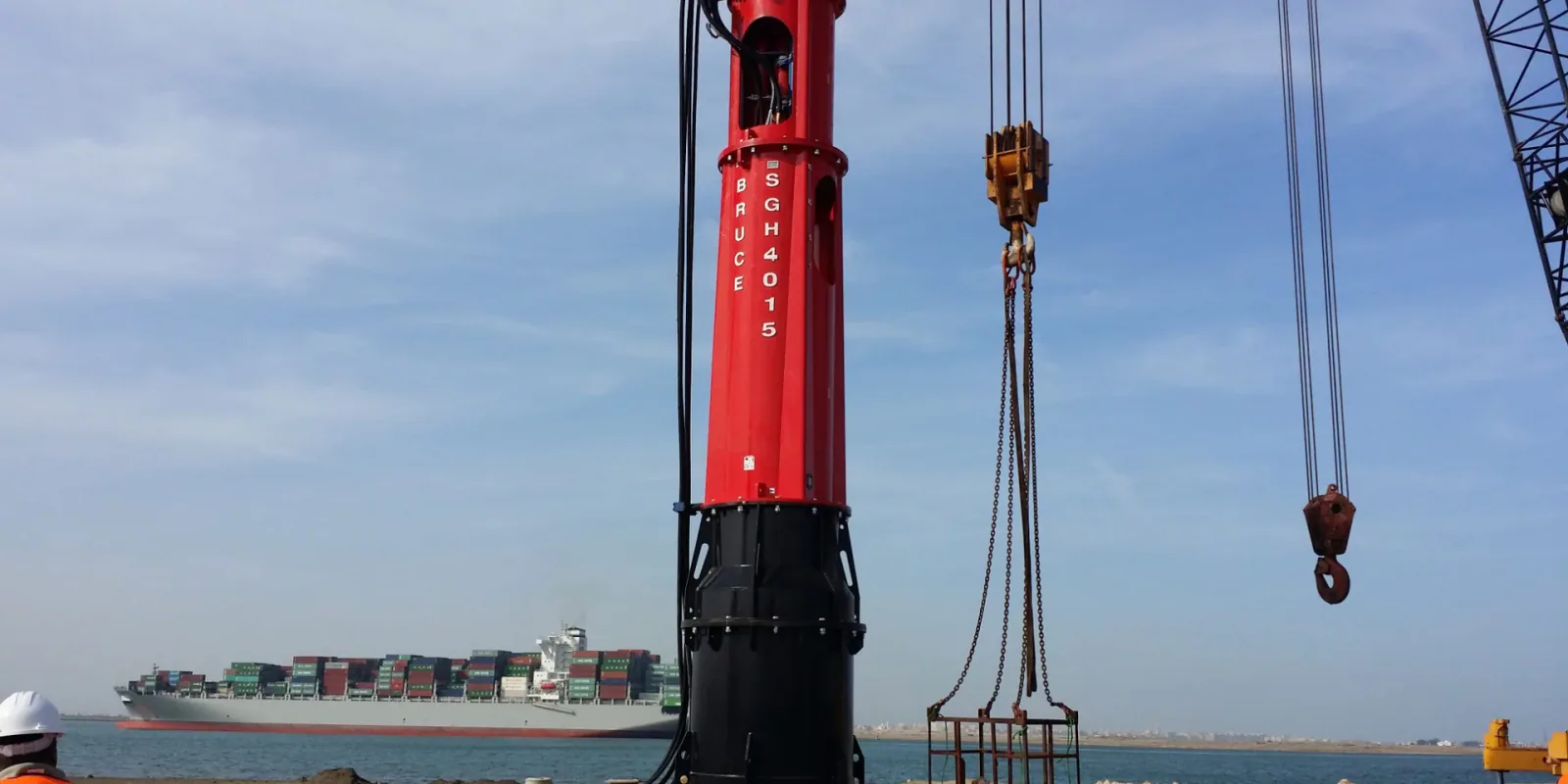
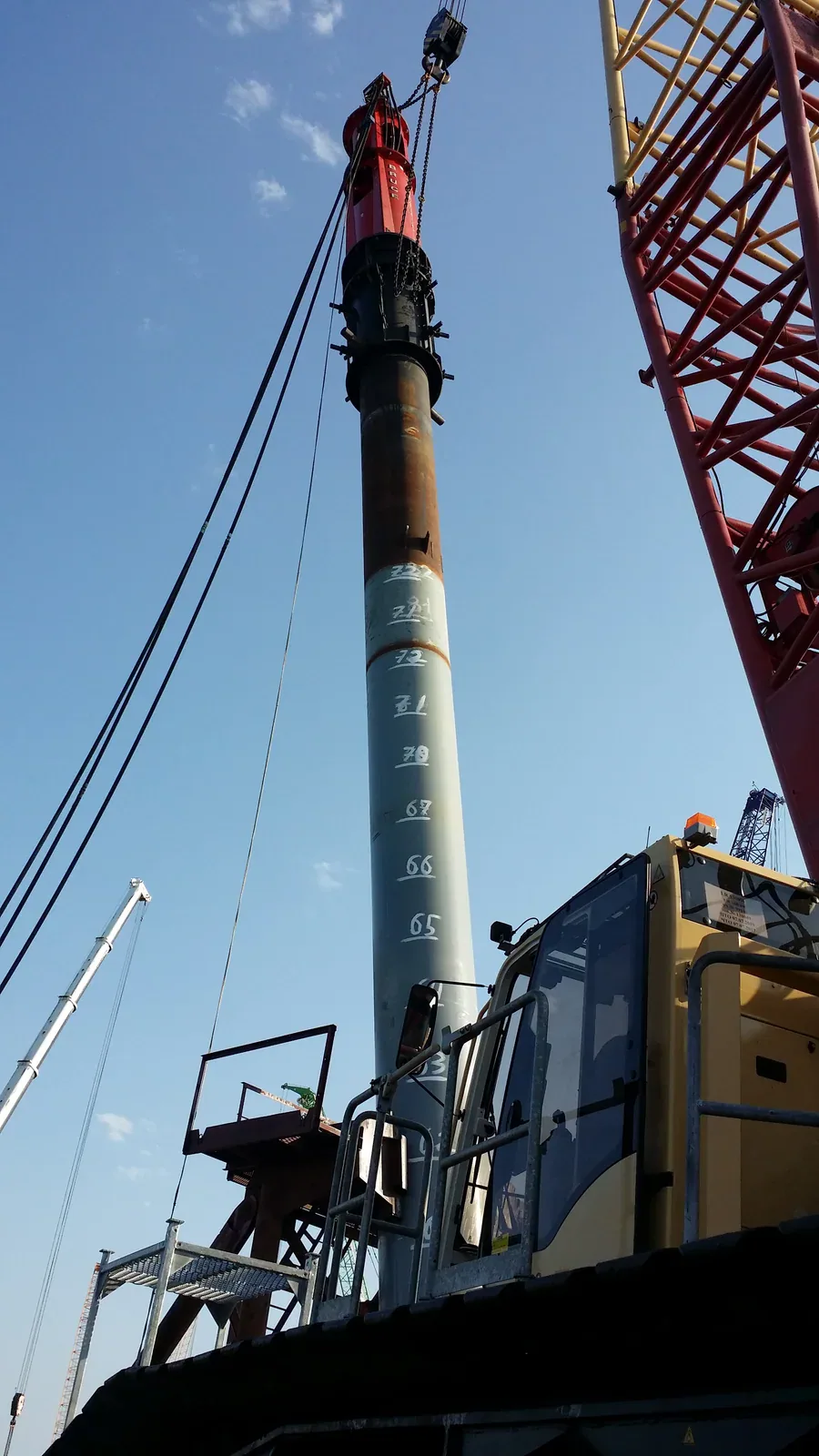
Pile Driving Methods
Impact Pile Driving
Impact pile driving installs prefabricated piles with repeated hammer blows. Each blow creates a stress wave in the pile and mobilizes resistance along the shaft and at the toe. Engineers select the hammer and driving accessories to suit the pile, ground conditions, allowable driving stresses, and project acceptance procedure.
Pile and groundPile properties, soil profile, and target depthHammer and interfaceEnergy range, driving cap, cushions, and alignmentVerificationDriving records and project-specified acceptance
Technical guide
Article information
Technical review policy. BRUCE prepares this reference from the cited material. Project-specific design and approval remain with the responsible project team.
Planning overview
Impact driving uses repeated blows to advance a prefabricated pile. The hammer, pile, driving accessories, and ground conditions determine how each blow affects penetration and pile stress.
The project specification defines the driving limits, records, tests, and acceptance procedure. A catalog energy rating or a high blow count alone does not establish pile bearing resistance.
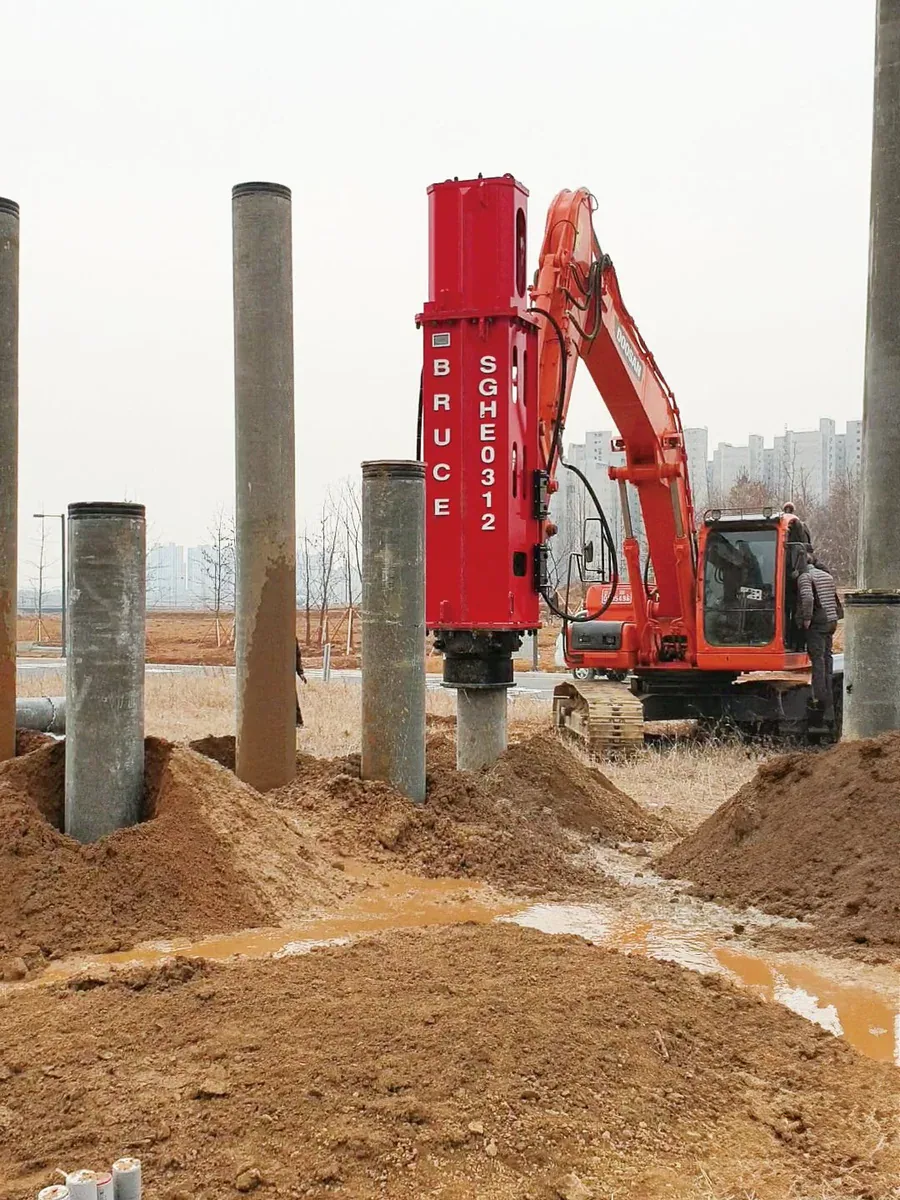
Hammer, pile, and ground
Read the driving response in context
Blow count, penetration, and hammer settings describe different parts of the operation. Use them with the pile details, ground model, and specified testing to assess the installed pile.
Analysis and testing serve different purposes
The project specification determines which analyses and tests are required; this is not a list of tests required on every project.
| Method | What it provides | Interpretation limit |
|---|---|---|
| Wave-equation analysis | Predicts blow count and driving stresses for an assumed hammer–pile–soil system. | Results depend on the hammer, pile, cushion, and soil inputs. They are predictions, not field measurements. |
| Driving records | Document depth, stroke or energy setting, blow count, set, interruptions, and observations. | They support construction control but do not establish bearing resistance on their own. |
| High-strain dynamic testing | Uses measured strain and acceleration to derive force, velocity, transferred energy, and driving stresses. | Resistance interpretation requires suitable records, adequate pile movement, and qualified analysis. |
| Signal-matching analysis | Estimates mobilized static resistance and its distribution from suitable dynamic records. | The estimate depends on the model and resistance mobilized at the time of testing. |
| Static load testing | Measures pile displacement under an applied load. | The loading procedure and interpretation must follow the project specification. |
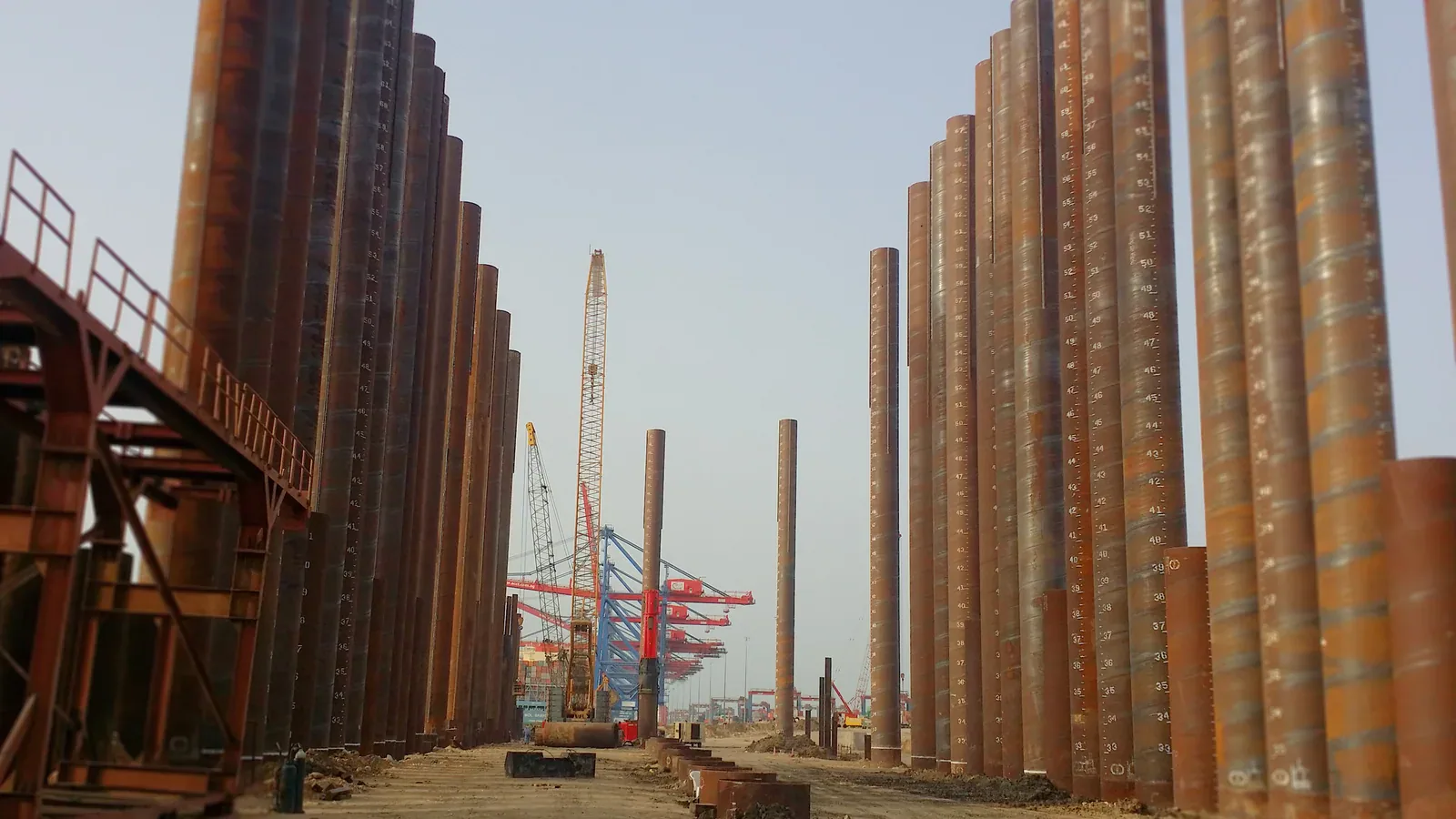
What is impact pile driving?
An impact hammer lifts or accelerates a ram and delivers repeated blows to the pile through its specified driving arrangement. The stress wave travels along the pile as the pile and surrounding ground respond. Engineers consider both penetration and driving stresses when assessing the hammer-pile-soil system. Crews use an approved lead or guide arrangement to maintain alignment.
They inspect the pile head and driving accessories during work and follow the specified operating and stopping limits. Impact driving differs from vibratory driving, which applies repeated cyclic forces rather than separate hammer blows. Engineers may specify either method or a combined sequence after reviewing the pile, ground, site constraints, and required acceptance records.
Rated and transferred energy
For a ram that falls under gravity, mgh describes the theoretical potential energy: ram mass multiplied by gravitational acceleration and drop height. It does not account for losses or establish the energy transferred to the pile. For a hammer with a powered downstroke, use the manufacturer’s energy definition rather than mgh alone. Hammer designs and rating conventions differ.
Engineers review the operating range, ram characteristics, driving arrangement, pile properties, and ground resistance when assessing driveability and allowable stress. High-strain dynamic measurements can support an assessment of transferred energy at the instrumented pile section. Increasing the energy setting without checking pile stress, alignment, and the cause of resistance can damage the pile or driving equipment.
Driving cap, cushions, and alignment
The driving cap, also called a helmet in some arrangements, transfers the blow to the pile head. A hammer cushion forms part of the hammer-side driving arrangement where the design requires one. A pile cushion sits between the driving cap and the pile head where specified, including in many concrete-pile arrangements. These cushions serve different positions and duties; crews must follow the specified materials, dimensions, inspection, and replacement requirements.
Hammer designs differ, and some direct-drive arrangements omit components used in other drive trains. Check the manufacturer’s approved configuration rather than assuming a universal cap-and-cushion stack. Poor seating, eccentric contact, worn cushions, or a damaged pile head can alter the force pulse and increase pile damage risk.
Blow count, setup, and restrike
Set means permanent pile penetration per blow. Blow count records the blows needed for a stated penetration interval. Crews record these values with pile identification, depth, hammer setting, interruptions, and the condition of the pile and driving accessories. High blow counts may reflect high ground resistance, an obstruction, pile plugging, or changes in the driving system. They do not establish bearing resistance by themselves. Soil resistance can increase after driving, a response called setup, or decrease, called relaxation.
Engineers assess these changes from the project ground conditions and test records rather than assigning one response to an entire soil category. The specification defines any waiting period and restrike procedure. Refusal or an unexpected response requires review under the project stopping criteria, not an assumption that the pile has achieved its design resistance.
Analysis and testing
Engineers use wave-equation analysis to predict driving behavior, including blow count and pile stress, for stated hammer, pile, cushion, and soil inputs. The predictions depend on those inputs and do not replace field observations. High-strain dynamic testing records strain and acceleration during impact. Engineers derive force and velocity from those measurements and assess energy transfer, stress, and resistance under the specified analysis method. Signal matching uses suitable measured records and a pile-soil model to estimate mobilized static resistance and its distribution at the time of testing.
Insufficient pile movement, poor data quality, and soil changes can limit the interpretation. A static load test applies a specified load sequence and measures pile displacement. The responsible engineer selects and interprets the required tests under the project specification; these methods are not interchangeable acceptance certificates.
Site controls
Impact driving produces impulsive noise and ground vibration. The project team identifies nearby structures and services, specifies any monitoring, and defines action and stopping limits before work. Marine work may require underwater-noise controls under the applicable permits. The lifting plan must address the crane, working radius, ground support, suspended equipment, pile handling, and rigging. Crews follow the hammer manufacturer’s instructions for hydraulic supply, hose routing, connection protection, inspections, and operation.
They maintain the required exclusion zones and use the approved procedure for damaged cushions, pile-head distress, loss of alignment, leaks, or abnormal hammer response. The responsible project team retains approval of the design, lifting plan, safety controls, testing, and pile acceptance. BRUCE equipment review does not replace those approvals.
Frequently asked questions
What is impact pile driving?
It is the installation of a prefabricated pile using repeated hammer blows. Each blow creates a stress wave in the pile and mobilizes resistance in the ground.
Is rated hammer energy the energy transferred to the pile?
No. The catalog rating describes the hammer’s stated energy basis. Actual energy transfer also depends on the operating condition, driving assembly, pile, and ground resistance.
Does a high blow count prove pile capacity?
No. Blow count must be interpreted with the hammer setting, depth, pile and cushion condition, ground profile, and project acceptance criteria. Obstructions or pile damage can also increase resistance to driving.
Does every pile need the same tests?
No. The responsible project team specifies the analyses, driving records, restrike procedure, and dynamic or static testing needed for the foundation. Equipment selection does not replace that acceptance procedure.
Technical basis
Sources supporting the technical claims above.
Discuss an Impact Hammer Package
Send your pile drawing, available soil information, and driving or testing requirements. BRUCE can review SGH hammer, driving-cap, cushion, and power-pack options.